



One of the things I’ve learned over the years is that every real estate transaction has its own challenges. Sometimes it’s financing. Sometimes it’s inspections. And sometimes the biggest hurdle has nothing to do with price at all.
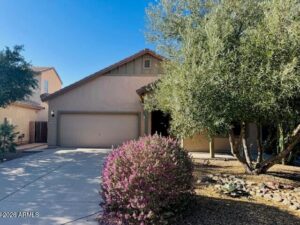
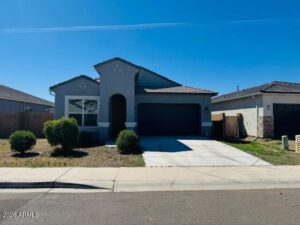
That was the case when I recently purchased a home that had multiple offers. The seller wanted a quick close but was not immediately ready to vacate the home.
Instead of seeing a conflict, I saw an opportunity.
I offered the seller a post-possession agreement that allowed a closing in 10 days and gave them an additional 30 days to remain in the home. I believe the flexibility was what made my offer the most attractive.
So, what is a post-possession agreement?
Simply put, it allows the seller to stay in the home for a predetermined period after closing, even though ownership has transferred to the buyer. These agreements are commonly used when a seller needs extra time to purchase another home, schedule movers, complete a new construction home or simply coordinate a less stressful move.
Many people confuse a post-possession agreement with a lease, but they are different. A lease establishes a landlord-tenant relationship governed by state landlord-tenant laws.
A post-possession agreement is written specifically as part of a real estate transaction and avoids creating such a relationship. Instead, it establishes a temporary occupancy period while spelling out responsibilities for insurance, utilities, maintenance, security deposits, liability and — most importantly — a date when the seller must vacate.
From the seller’s perspective, it’s an excellent solution. They receive their proceeds at closing while gaining time to move without feeling rushed.
For buyers, however, it’s not something to enter into casually. After closing, the buyer assumes the risks that come with ownership. If damage occurs, the seller overstays the agreed-upon possession date, or an insurance issue arises, those complications become the buyer’s responsibility. Any problems could result in expensive litigation costs. That’s why buyers generally prefer immediate possession whenever possible.
But when both parties understand the risks and the agreement is properly drafted through an attorney, it can solve a timing problem that money alone can’t fix — and sometimes that’s exactly what it takes to get everyone to the closing table.
Dayv Morgan is a Maricopa realtor and owner of HomeSmart Premier.
Phone: 480-251-4231
Email: DayvMorgan@gmail.com