


Growing up in New England, we relied on the Old Farmer’s Almanac for planting tips, weather forecasts and some fun reading quips and gardening wisdom. Over the years, I’ve collected a few unusual gardening tricks of my own. I can’t promise they all work, but they’re certainly fun to try.
Beer traps: Got slugs? Bury a small, low-cut tin can level with the ground and fill with cheap beer (save the good stuff for yourself). The bugs fall in and drown. Check and dispose daily.
Cayenne pepper: Sprinkle around the base of plants to keep critters from visiting. Don’t worry, it won’t affect the flavor!
Cinnamon: A sprinkle keeps ants and other insects away since they don’t like the smell. Use the cheap version and save the good stuff for your cinnamon toast.
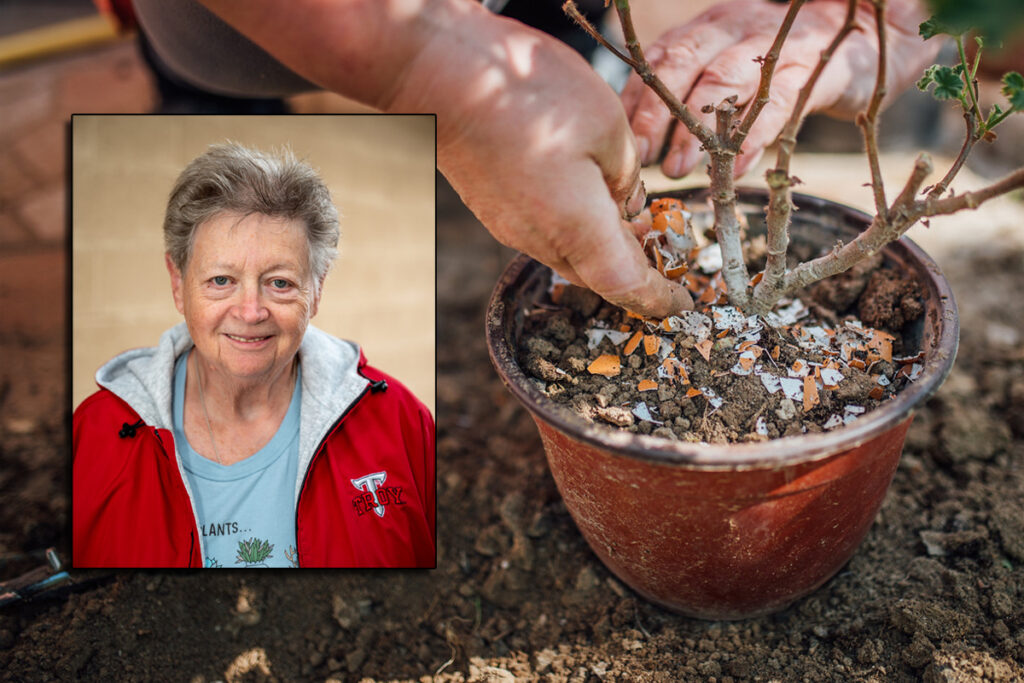
Eggshells: Use clean shells to add calcium to your soil. No yolks or whites unless you want little chicks running around your garden.
Epsom salts: Spread 1/2 teaspoon around each plant to increase growth.
Fish heads: Yes, these smelly things have lots of nutrients, especially phosphorous, and make an excellent fertilizer. Bury deep to avoid smells and allow the roots to absorb nutrients.
Potato scarecrow: This is a fun, creative way to scare birds from the garden.
Plastic forks: Stick clean plastic forks with the tines up surrounding your seedlings to stop neighborhood cats, squirrels and rabbits from digging up your babies.
Sweet basil: Plant with your tomato plants to keep mosquitos and other insects from munching on your vegetables.
Rusty nails: No, not the cocktail. But you can enjoy the scotch-based drink after “planting” a few rusty nails in your garden to add iron to the soil.
Tea bags: New Englanders haven’t forgotten the Boston party and nowadays just won’t waste their tea. Bury used tea bags in the soil for an excellent natural fertilizer, soil conditioner and pest deterrent.
Wedding veil: If that old veil has been tucked away for years, drape it — or cheesecloth — over plants to keep insects and cabbage worms off the plants.
Wine bottles: Fill empty wine bottles with water, turn upside down and use as a slow-release watering tool. You’ll probably need to enlist a few friends to help empty them first.
I hope you enjoyed these tips. I can’t guarantee any of them work, but it’s fun to try new techniques. I’ll be sipping my wine to help “irrigate” my plants and myself!
Cheryl Purvis is a Pinal County Master Gardener.
This story first appeared in the August issue of InMaricopa.