

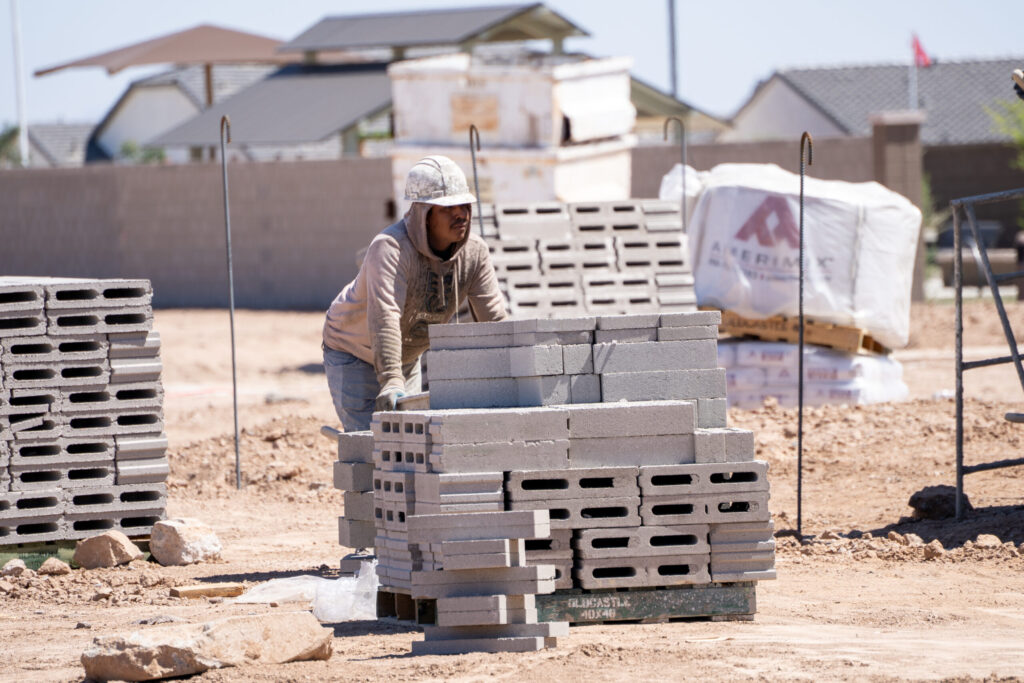
As Maricopa temperatures continue their steady climb into the triple digits this week, outdoor workers are confronting the intensifying heat and wondering if this summer will top last year’s record-melting highs.
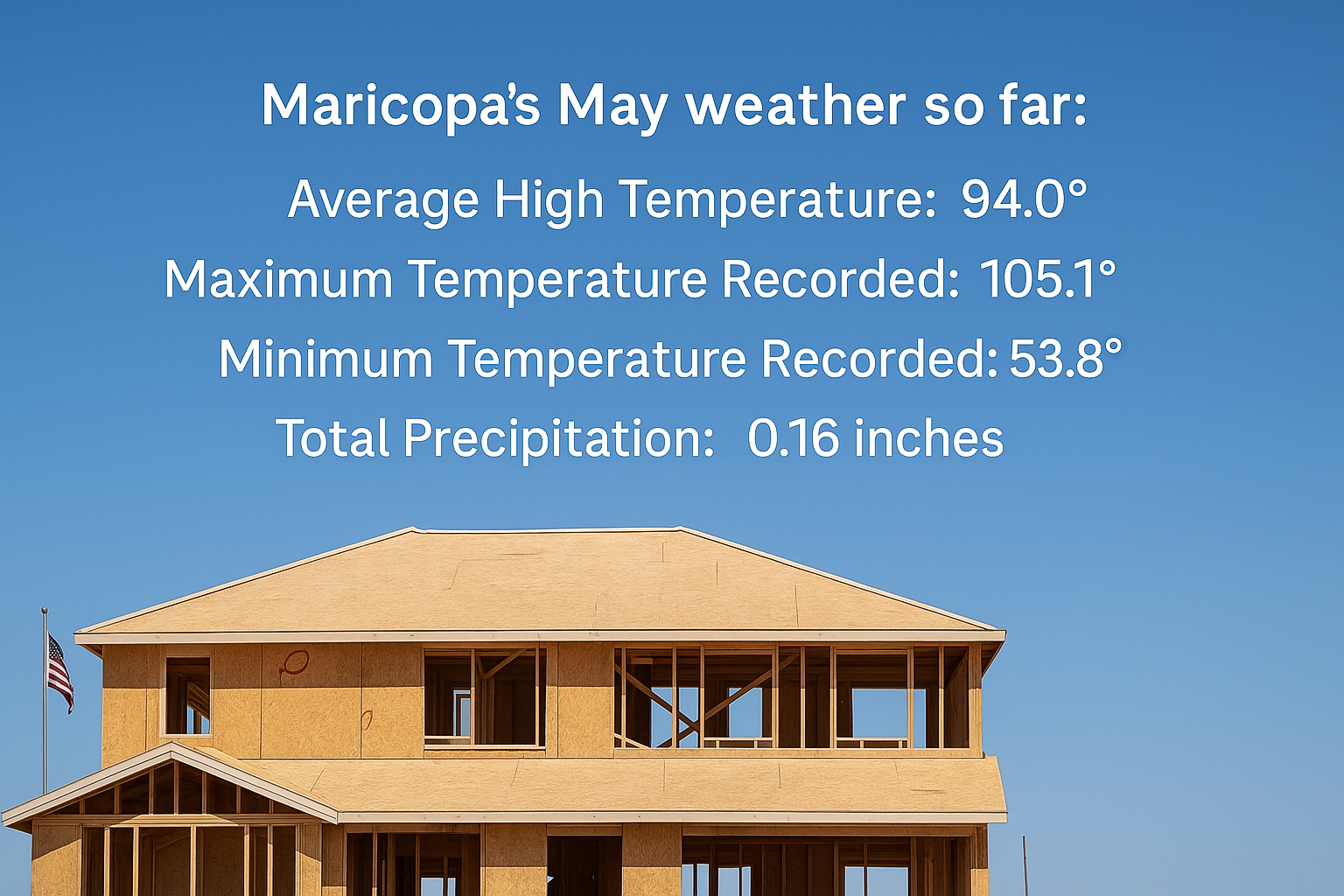
According to the University of Arizona meteorological network, Maricopa recorded its first hundred-degree day of the year May 11. Temperatures are expected to reach 104 degrees by Friday. These extreme conditions are not uncommon in the region, where May temperatures typically range from 90 to 99 degrees, according to historical temperature data.
Outdoor laborers, including construction workers, landscapers and agricultural employees, are particularly vulnerable to heat-related illnesses. A report published by OSHA found that between 1992 and 2017, heat stress injuries resulted in 815 fatalities among U.S. workers.
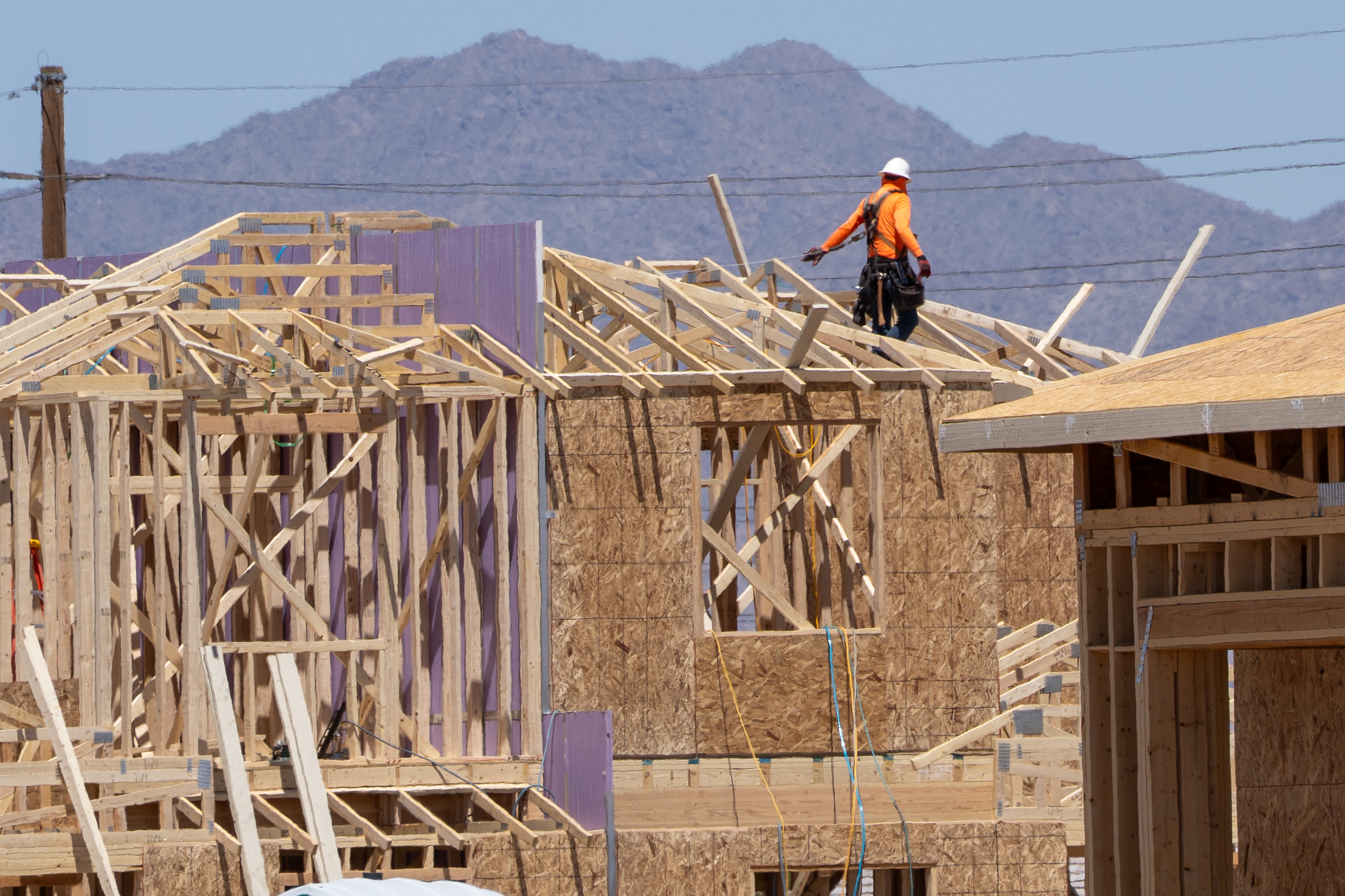
Another worker said no one complains when they take water breaks, which become more frequent as the temperature rises. They spoke anonymously because they were not authorized to speak to the media. InMaricopa contacted Pulte Homes to ask about its build plans in the summer, but no one responded.
Newly proposed OSHA regulations emphasize the need for comprehensive policies to protect outdoor workers. The new rules would require a “comprehensive heat safety plan” at work sites, including more paid breaks, hydration access and regular worker training to ensure workers could recognize the signs of heat illness. Before public comments closed in January, advocates for the new rules weighed in.
The Office of Physical Hazards director, Stephen Schayer, at the Leadership Conference on Civil and Human Rights emphasized the urgent need to protect workers from escalating heat-related hazards. Along with a coalition of organizations, Schayer argued the lack of enforceable standards is leaving many workers, especially those in low-income and immigrant communities, vulnerable to heat-related illnesses and deaths.
Last year saw the deadliest heat in Pinal County recorded history. What do the weather experts predict will happen in 2025?
Another hotter than normal monsoon
The summer sun is only preheating.
The National Weather Service released its official monsoon outlook this afternoon, predicting the region can expect above normal temperatures from June 15 to Sept. 30.
Meteorologist Ted Whittock with the Phoenix Regional Office said this is due to climate models predicting stronger than average high pressure circling through the region.
“Typically, when we see prolonged periods of strong high pressure, that is a good setup for extremely hot conditions,” he told InMaricopa. “The monsoon’s high pressure typically builds over the Four Corners region and if that is stronger than what it would [normally be], that is correlated with warmer than average temperatures.”
The normal average high during the monsoon has been 103 degrees over the last three decades, Whittock said. An online interactive seasonal outlook shows there’s a 53% forecast for above normal temperatures in Maricopa.
Heat can contribute to reduced air quality levels, but not as much as sunlight and air temperature inversions, said Arizona Department of Environmental Quality Communications Director Caroline Oppleman in response to worried social media posts in a Maricopa Facebook group this morning.
“Ozone is created because of the reaction between light and certain compounds. As the days get longer and you have more light, that results in increasing levels of ozone,” she said. “That just happens to occur in the summer, so a lot of people think, ‘Oh, it’s hot, that’s what’s creating the ozone.’ But it’s actually the sunlight and not specifically the heat.”
But will it be as bad as last year?
Last year went on record as being the hottest summer for most of Arizona. Whittock said the average high temperature for the central region was north of 109 degrees.
The Grand Canyon State also saw extremely strong high pressure centered away from the Four Corners sweet spot, but the lack of rain played into that heat as well.
“It was quite dry, and I believe tied for the seventh driest [year] at Sky Harbor Airport,” Whittock said. “Having prolonged periods of no widespread rain also can lead to prolonged heat.”
You should still expect to see the weeks-long heat waves from 2024, partly because the state is expecting near normal to slightly above normal precipitation in the region.
“If we do have some widespread rainfall, that could break up the heat,” Whittock offered.
AccuWeather meteorologists predict the summer will be about 2 degrees hotter than average in central Arizona.

![Western Pinal Justice of the Peace Patricia Glover speaks during a City of Maricopa Republican Club on May 23, 2026. [Monica D. Spencer]](https://inmaricopa.com/wp-content/uploads/2026/05/20260529-spencer-teeple-republican-club-1-4-300x200.jpg)




![Walmart wants to bring drone delivery services to Maricopa. [Bryan Mordt, Wing]](https://inmaricopa.com/wp-content/uploads/2026/06/20260622-walmart-drones-300x169.jpg)


![Western Pinal Justice of the Peace Patricia Glover speaks during a City of Maricopa Republican Club on May 23, 2026. [Monica D. Spencer]](https://inmaricopa.com/wp-content/uploads/2026/05/20260529-spencer-teeple-republican-club-1-4-150x150.jpg)