
Using medicinal plants for healing dates back to prehistoric times, with evidence suggesting plant use as far back as 60,000 years. Knowledge about healing plants was gained through observation, experimentation, and lessons passed down by shamans, cultures and family members. Often, people learned which plants were safe by watching what animals consumed.
Archaeological findings, burial sites and autopsies have revealed plant remains — including opium, poppies, ephedra and cannabis — dating back 60,000 years. Written records such as the Ebers Papyrus in Egypt, Charaka Samhita in India, Pen T’Sao in China and Sumerian clay tablets document plant use for various ailments as far back as 5000 BC.
Ancient civilizations — including Egyptians, Sumerians, Chinese, Greeks and many Indigenous American nations — used plants and passed knowledge on through writings and practices. Some practices were considered sacred and taught only to those deemed worthy.
Today, many medications are derived directly from plants or their chemical compounds. Modern medicine studies these plant-derived molecules, and the development of synthetic drugs often mimics the plant’s effects. Historically, the person preparing herbal compounds or tinctures was called a grandmother, shaman, priest or apothecary; today, that role is filled by pharmacists. Some pharmacies still maintain the hands-on tradition of preparing medications tailored to patients, using a pestle and mortar alongside chemical knowledge of plants.
Many books have been published educating readers on the use of herbs, oils and plants in wellness and healing. Aloe is just one of an estimated 3,000 plants used for food and wellness.
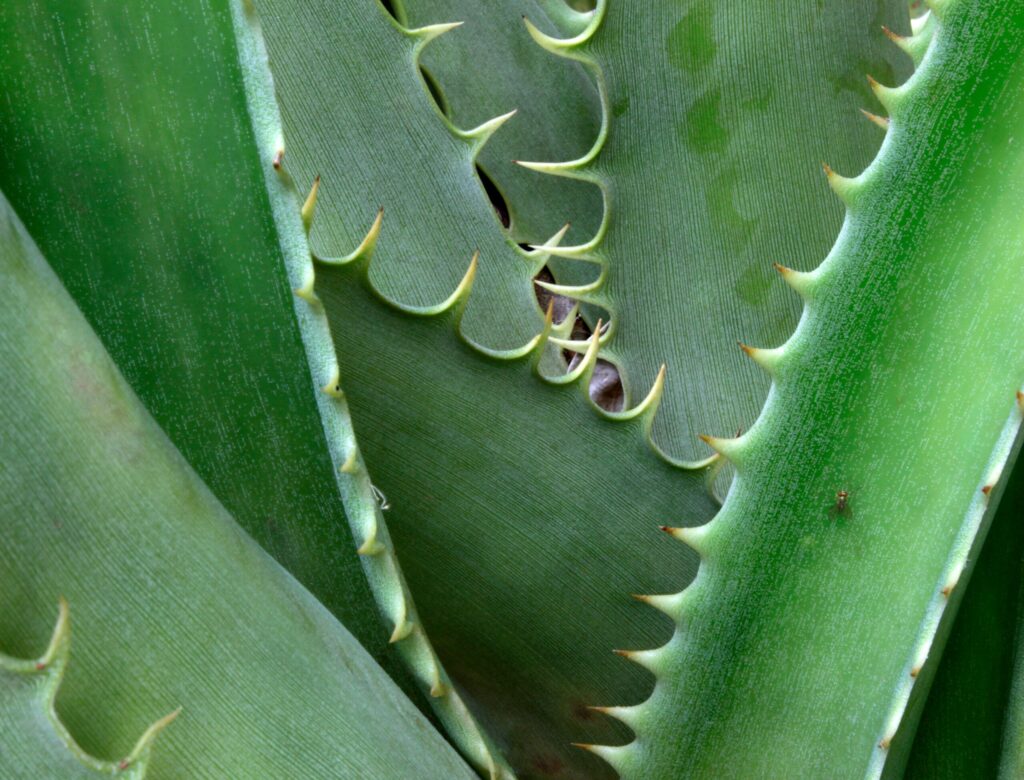
The use of aloe vera is so common today that many people overlook its healing properties. Aloe is often found in home landscapes, and its gel is available in stores for burns, skin conditions or digestive distress. Alternatively, one can break off a stem and use the gel directly from the plant.
Aloe vera is native to North Africa, Southern Europe and the Canary Islands. Like many of us in Maricopa, it was transplanted here and thrives in the local climate.
Interesting fact: Known as the “plant of immortality” in ancient Egypt.
Read more from Harriet Phelps here.
Editor’s note: This article is for informational and entertainment purposes only. It is not intended as medical advice. Please consult your physician for any medicinal concerns.
This article first appeared in our September InMaricopa magazine.