


It’s mid-July in Maricopa and Ashley Cross, an assistant store manager at Karsten’s Ace Hardware, is standing in front of a towering display of fly traps. She holds as many as she can from the store’s large assortment of insect deterrents: A pop-top trap in her left arm, an odorless sticky strip dangles precariously from her right. She doesn’t have the space for the infamous Bug-A-Salt gun, although that is her personal favorite.
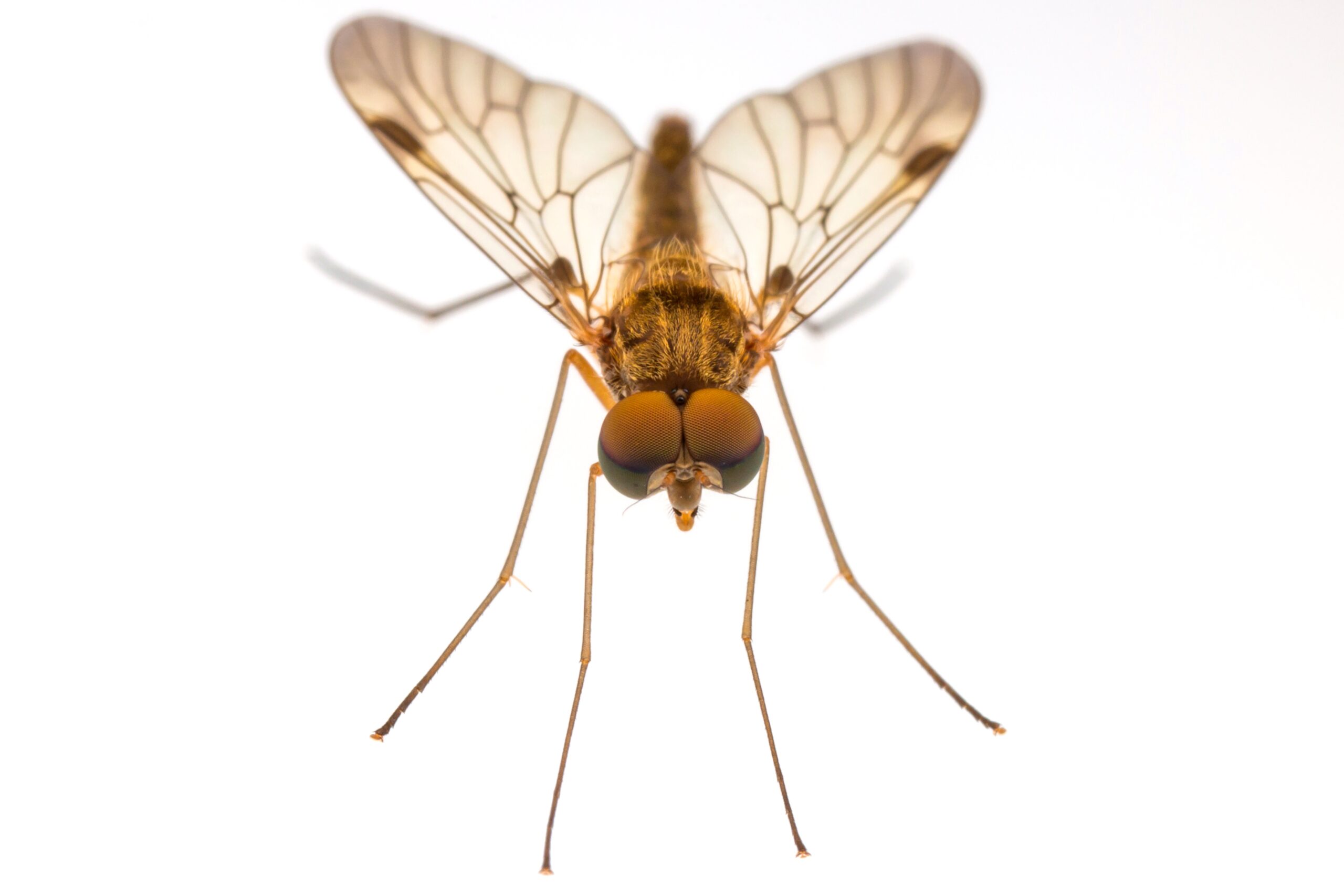
This year, the flies in Maricopa aren’t just bad — they’re relentless. Or so it seems. No one necessarily counts the flies, but they’ve arrived in such thick, barbecue-ruining swarms that have made people ask: Why?
It turns out this invasion wasn’t random. According to scientists, Maricopa’s beautiful new developments are rolling out the welcome mat for the insect world, too.
Poops, I did it again
Flies need three things, explained Dr. Dawn Gouge, a Maricopa-based public health entomologist who studies disease-carrying and nuisance insects across Arizona.
“Organic matter, moisture and heat,” she said. “Maricopa’s got all three.”
At the heart of the fly explosion is Maricopa’s proximity to dairies, flood-irrigated fields and man-made oases.
“House flies breed in very wet, organic matter. Think cow manure and compost heaps,” said Gouge. “If you live near those conditions and it’s over 100 degrees? Congratulations. You’ve just invited a fly nursery to flourish.”

“They don’t bite. They don’t even have teeth,” Gouge said. “They regurgitate enzymes from their stomachs onto food to liquify it, then slurp it back up through sponge-like mouthparts.”
Not all flies are equal
What residents call “flies” can encompass a handful of winged interlopers. Some are house flies, the iconic black buzzers landing on your lunch. Others are drain flies, born from the gunk in your pipes. Then there are outdoor specialists, lured by color rather than scent.
While the problem is acute in Maricopa, it’s not unique. Gouge said flies follow us humans wherever we’ve made the desert bloom.
“We build lakes, irrigate fields and run sprinklers,” she said.
We’re building an insect oasis.
Maricopa is also home to the Maricopa Agricultural Center, part of the University of Arizona’s world-renowned agricultural research network. Just outside town, teams of entomologists like Gouge study pests in cotton fields and experiment with natural predators to reduce pesticide use.
“Some of the brightest insect scientists in the country are based here,” said Gouge, “and they’re working on both the flies you see and the ones you don’t.”
In fact, the city has become a hotspot for studying how human development interacts with insect behavior. With its rapid suburban growth, lush green lawns and dairy-adjacent neighborhoods, Maricopa has become a textbook case of how well, and quickly, nature adapts.
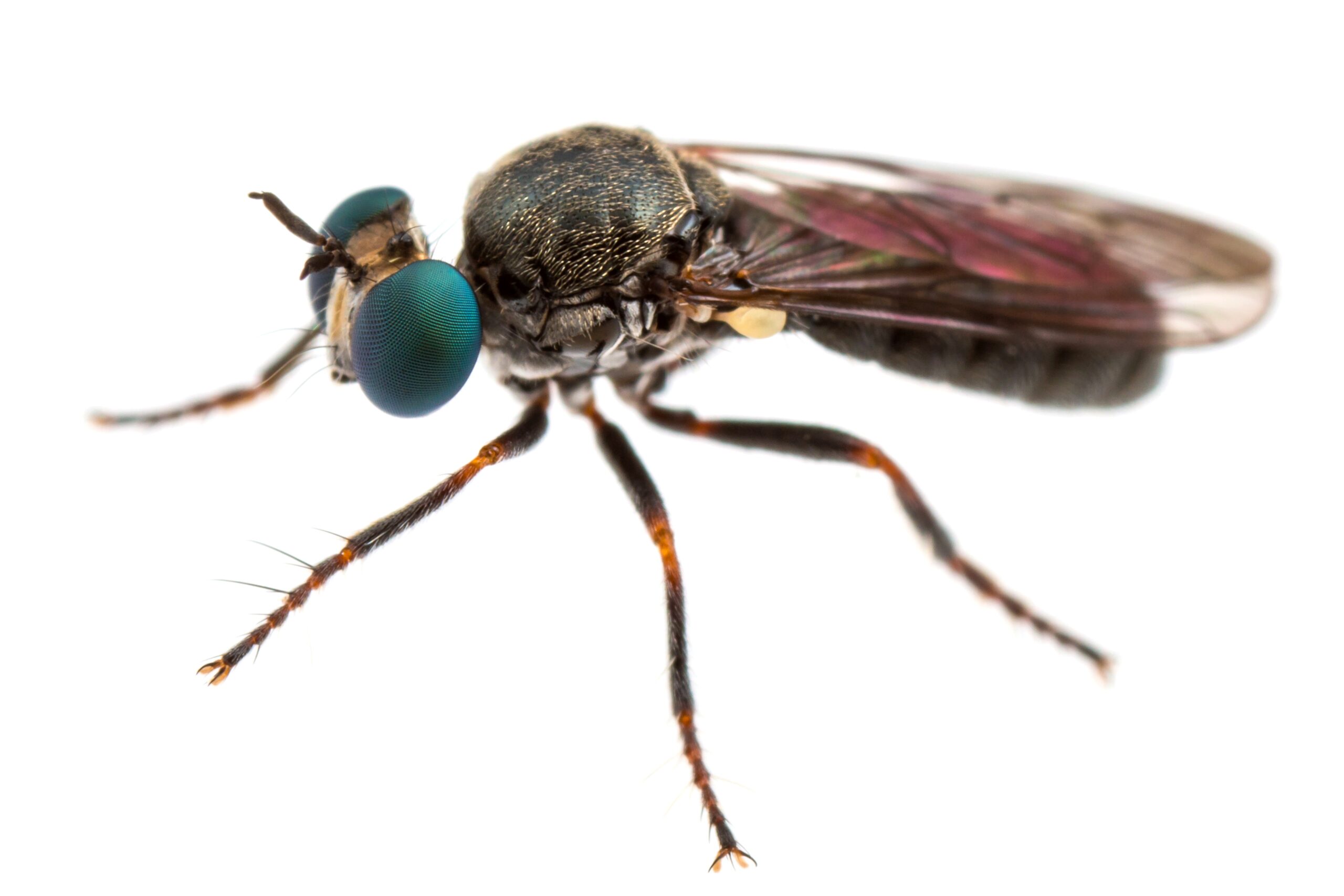
Surviving the fly-pocalypse
What can you do if the flies become too much to bear? Don’t pack up and leave town just yet. It’s the basics that make the biggest difference.
“Flies can fit through the tiniest gaps,” said Gouge, recommending closed doors and windows in the summer. She also recommends reducing standing water, clearing pet waste and sealing trash tightly.
Community-wide efforts, like coordinated cleanups and irrigation management, can help, too.
“It takes a village, or at least a cul-de-sac, to get insects to move on,” Gouge said.
For those still battling the bugs, Ace’s Cross offered one final piece of advice:
“Find what works for your yard. Traps, lights, foggers; every house is different. But don’t give up. The flies may be winning now, but we’ve got the tools.”






![A photo of a custom-made Glacier Springs Water system, layered over a photo of person washing a cup in a sink. [Glacier Springs Water, Cotton Bro Studio]](https://inmaricopa.com/wp-content/uploads/2026/06/20260611-glacier-springs-water-300x169.jpg)
![William Senne, arrested June 2, 2026. [Pinal County Sheriff's Office]](https://inmaricopa.com/wp-content/uploads/2026/06/20260610-william-senne-arrest-300x170.jpg)